Explore our top-tier CE-certified outdoor dining sets, lounge options, and synthetic rattan layouts optimized for global commercial projects.
An in-depth analysis of structural integrity, CE compliance, and technical innovation in synthetic rattan furniture manufacturing.
As commercial hospitality and urban public spaces expand rapidly, procurement departments face a dual pressure: ensuring uncompromising architectural aesthetics while meeting stringent safety certifications. Among these, CE (Conformité Européenne) certification has emerged as the definitive benchmark for structural safety, flame retardancy, and ecological compliance.
Synthetic rattan (specifically High-Density Polyethylene or HDPE) combined with structural aluminum framing represents the zenith of contemporary outdoor engineering. Today's global buyers—spanning boutique hotels, massive cruise lines, municipality park systems, and upscale commercial cafes—are abandoning low-grade residential furniture in favor of certified industrial-grade solutions. With changes in weather patterns bringing extreme UV indexes and unexpected high precipitation, acquiring weatherproof certified structures is no longer an option; it is a vital operational safeguard.
Historically, natural rattan was restricted to indoor and semi-shaded environments due to its vulnerability to moisture-induced decay, fungal growth, and structural degradation from UV exposure. The introduction of Polyvinyl Chloride (PVC) rattan in the late 20th century offered temporary weatherability but suffered from rapid embrittlement, volatile organic compound (VOC) emissions, and environmental disposal problems.
The contemporary era has embraced High-Density Polyethylene (HDPE) polymer resins. HDPE rattan boasts molecular structures designed to withstand extreme thermal fluctuations (from -30°C to +60°C) without cracking, peeling, or fading. When reinforced with carbon-black UV stabilizers and co-extruded with matte colorants, modern HDPE rattan emulates the tactile warmth of natural wood fibers while delivering decades of structural longevity. Simultaneously, frame metallurgy has shifted toward structural-grade 6063 aluminum, protected by multi-stage electrostatic powder coatings to form an impenetrable barrier against coastal saltwater mist and industrial air pollution.
Since our establishment in 2005, we have been committed to providing high-quality outdoor furniture to customers worldwide. Our factory, located in a picturesque industrial park, covers an area of 15,000 square meters and is equipped with state-of-the-art production facilities and a skilled technical team. With 174 professional employees, we produce over 50,000 chairs each month, achieving an annual turnover of over 20 million USD.
How state-of-the-art manufacturing processes eliminate quality variance in industrial production.
Automated structural welding guarantees structural resilience under commercial load cycles. Automated tube bending reduces stress fractures at curved points.
We maintain a specialized QC division tracing raw materials to packed shipping containers. Each batch of HDPE fiber undergoes tensile strength, colorfastness, and salt-fog tests.
Located near major global ports, our facilities handle container optimization, load planning, customs document processing, and CE certification tracing seamlessly.
The global procurement environment requires extreme flexibility and rapid turnaround times. By incorporating ERP-driven supply networks, we ensure raw material procurement is insulated against market volatility. Our integrated metal treatment, synthetic wicker weaving, and sewing divisions function in unified workflows. This vertical integration reduces the standard product development cycle by 35% compared to fragmented manufacturers, ensuring projects stay on budget and on schedule.
The CE mark indicates that products sold within the European Economic Area (EEA) have been evaluated to meet high safety, health, and environmental protection requirements. For outdoor commercial furniture, this certification is aligned with European Standards (EN 581 series):
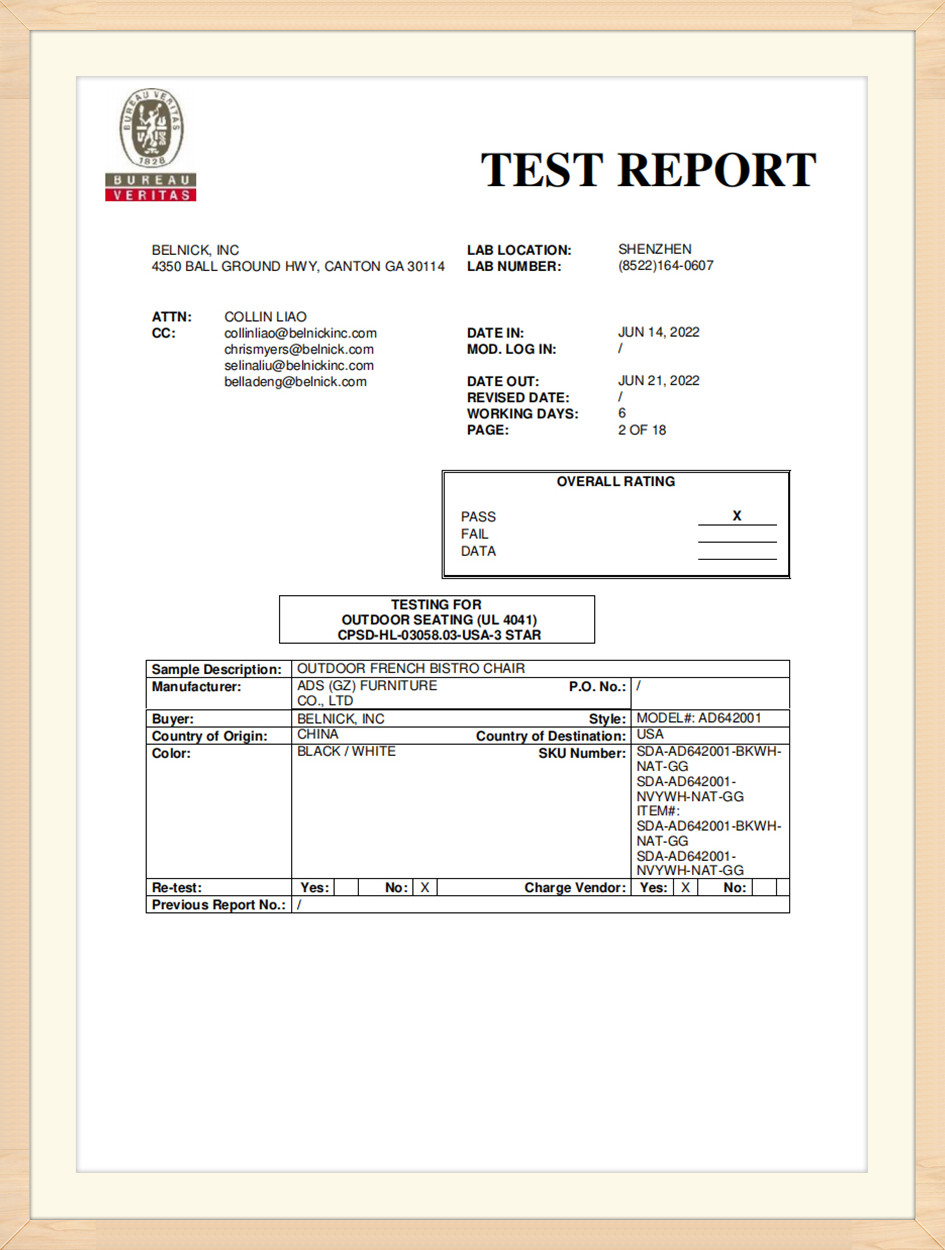
Securing furniture verified by official test reports minimizes legal and liability exposure for hospitality businesses and public spaces. When sourcing outdoor dining tables or stackable chairs, selecting a certified supplier prevents potential property losses or personal injury hazards.
Our products are renowned for their exceptional quality, innovative design, and outstanding comfort. Whether in the heat of summer or the chill of winter, our furniture enhances outdoor living with comfort and elegance. We prioritize our customers' needs and are dedicated to delivering the highest quality products and services to each of them.
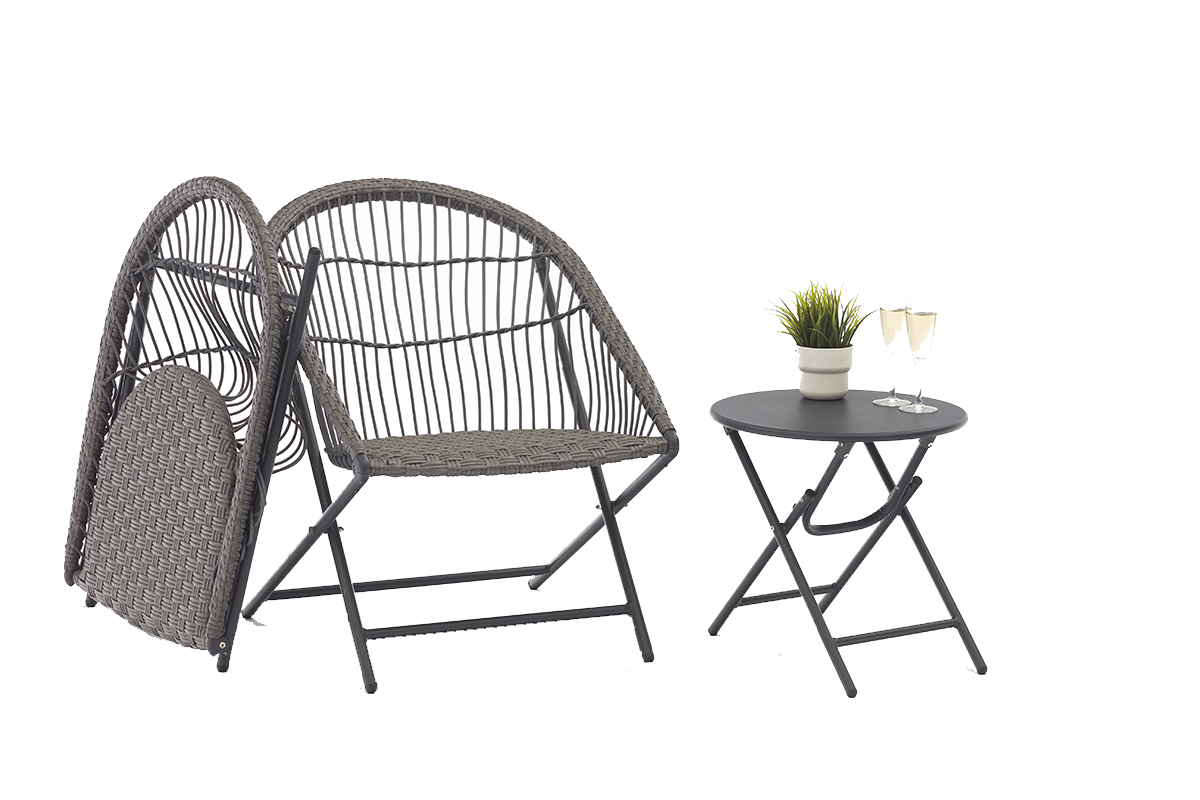
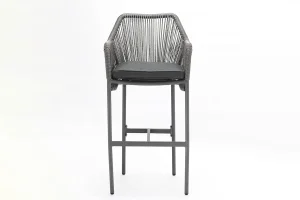
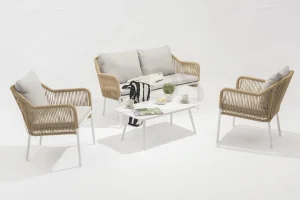
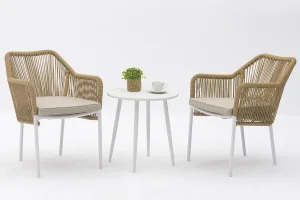
Compact, structurally sound seating solutions for urban apartments, suites, and private terraces, featuring powder-coated frame and woven wicker.
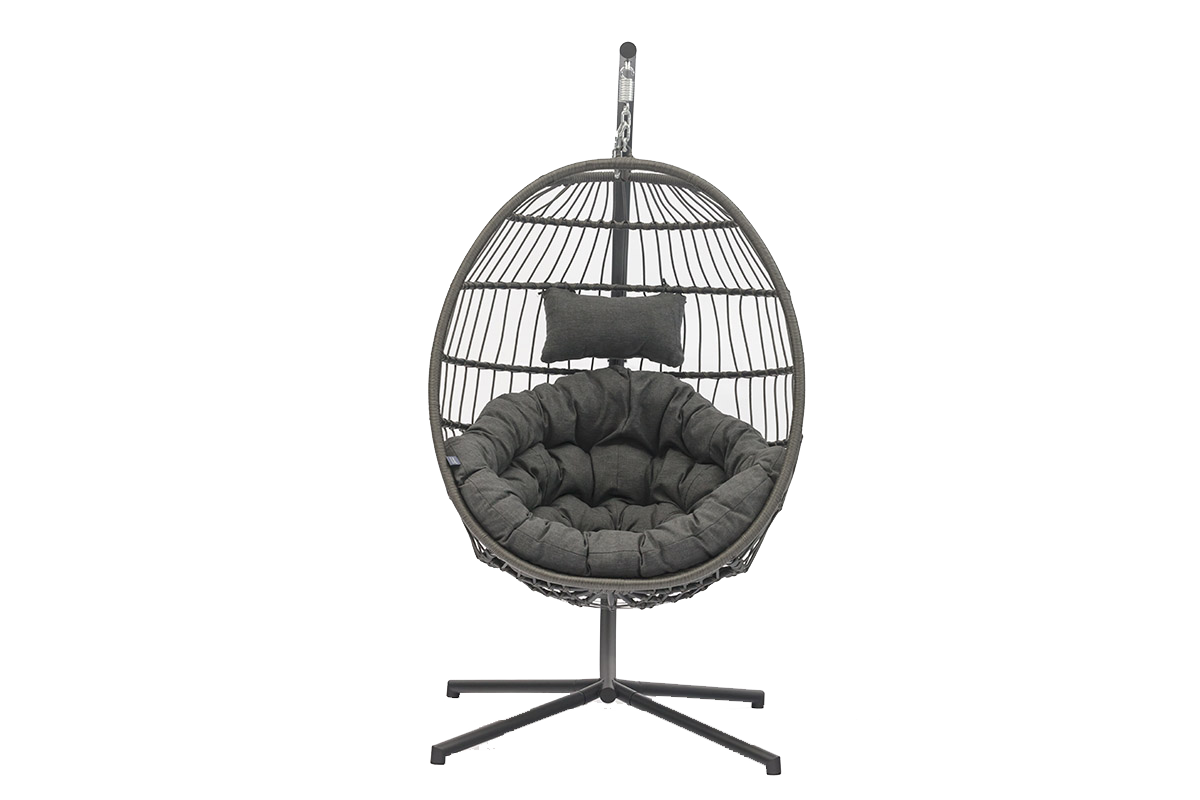
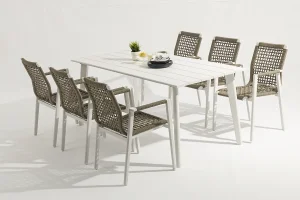
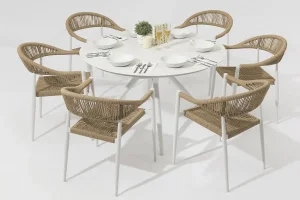
Heavy-duty dining setups, lounge sofas, and custom benches designed to withstand prolonged exposure to varying weather conditions.
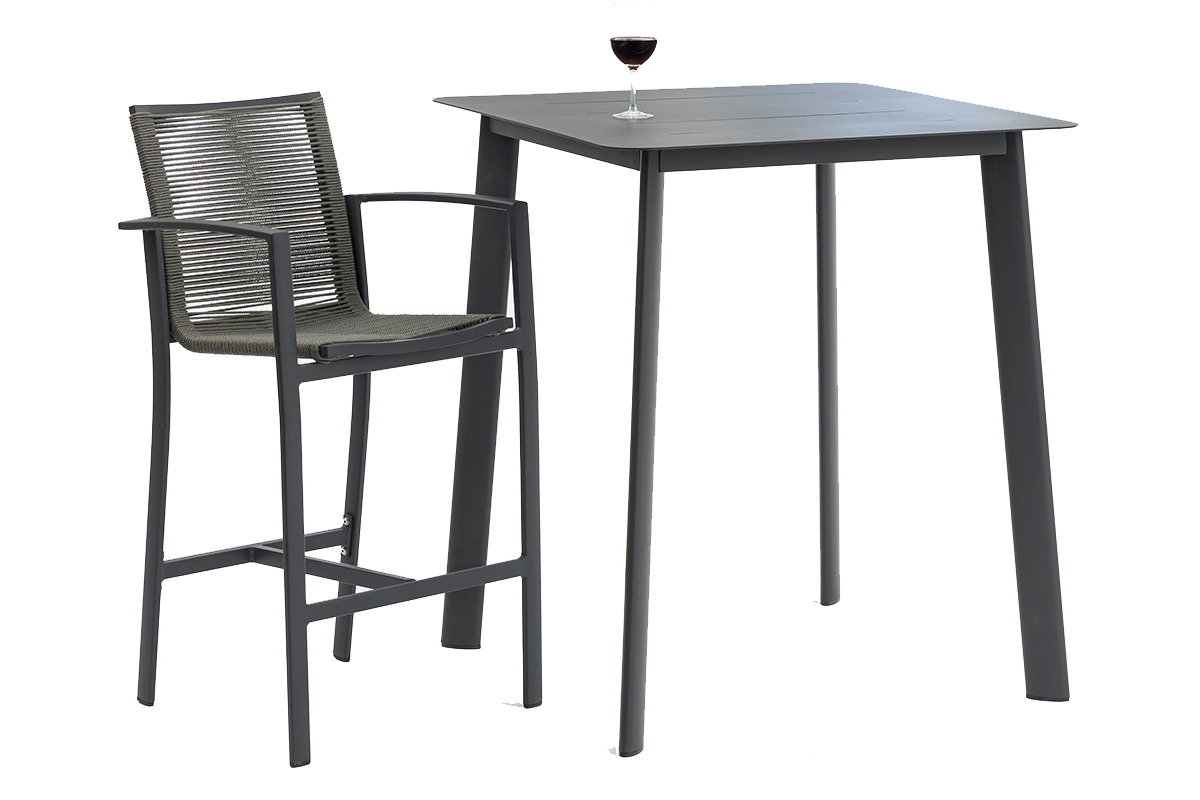
Robust designs for high-frequency traffic zones. Quick-clean surfaces, stackable configurations, and high structural density.
We understand that innovation and continuous development are key to success in this rapidly changing market. Therefore, we actively participate in various furniture exhibitions both domestically and internationally, including the prestigious Milan International Furniture Fair and the China International Furniture Fair in Guangzhou. Through these platforms, we showcase our latest products and designs, and engage with leading designers and manufacturers to gain insights into cutting-edge trends and inspirations.


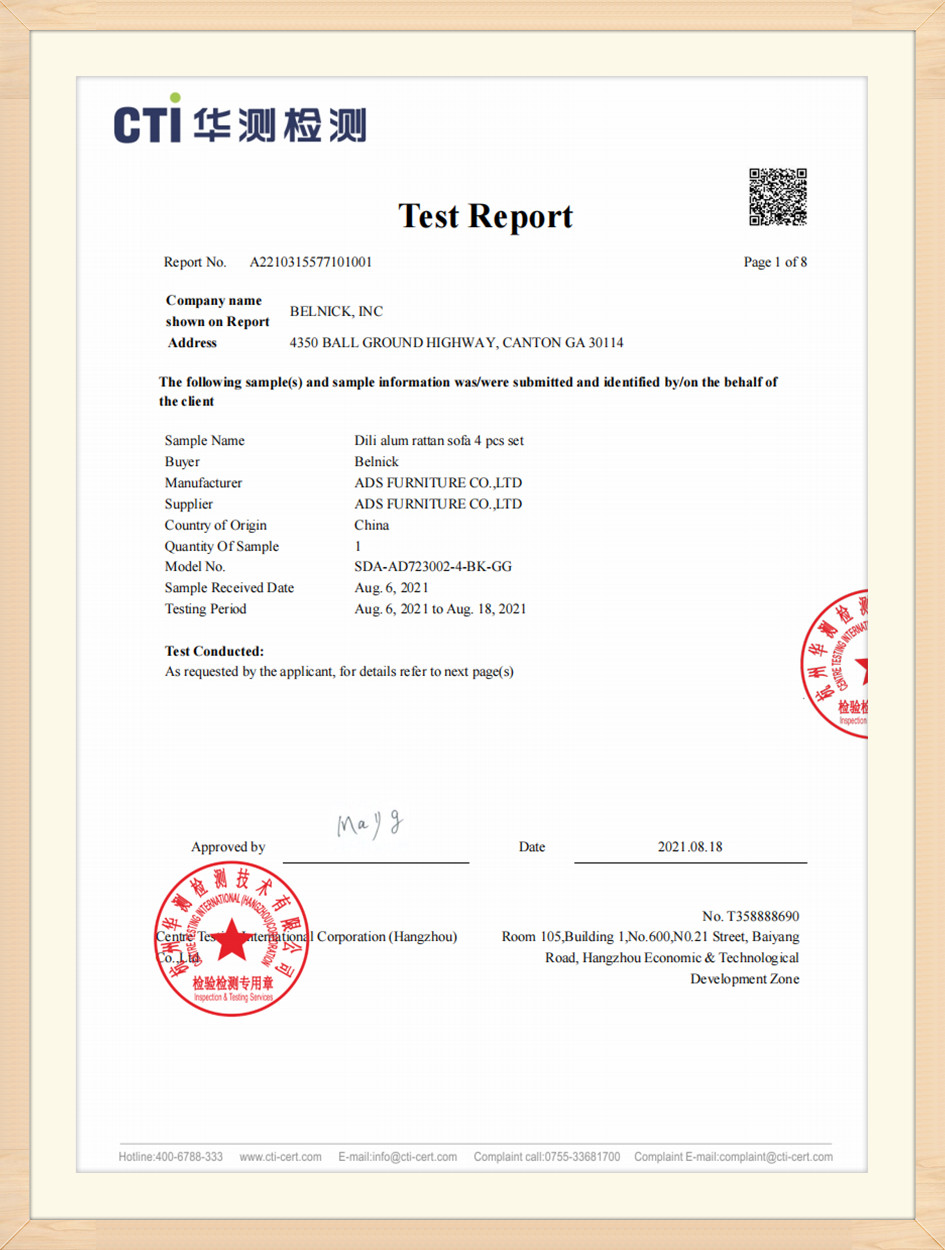
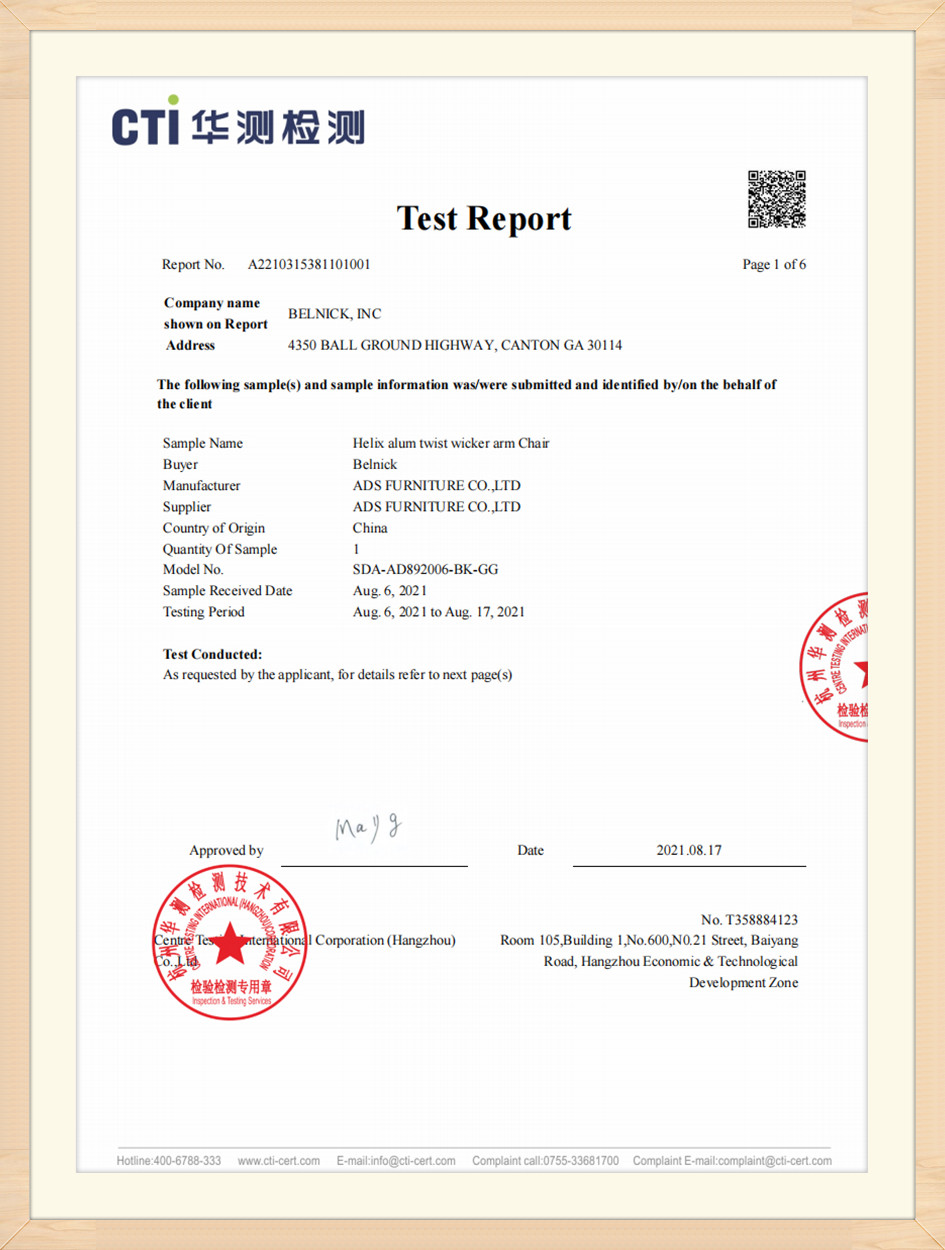
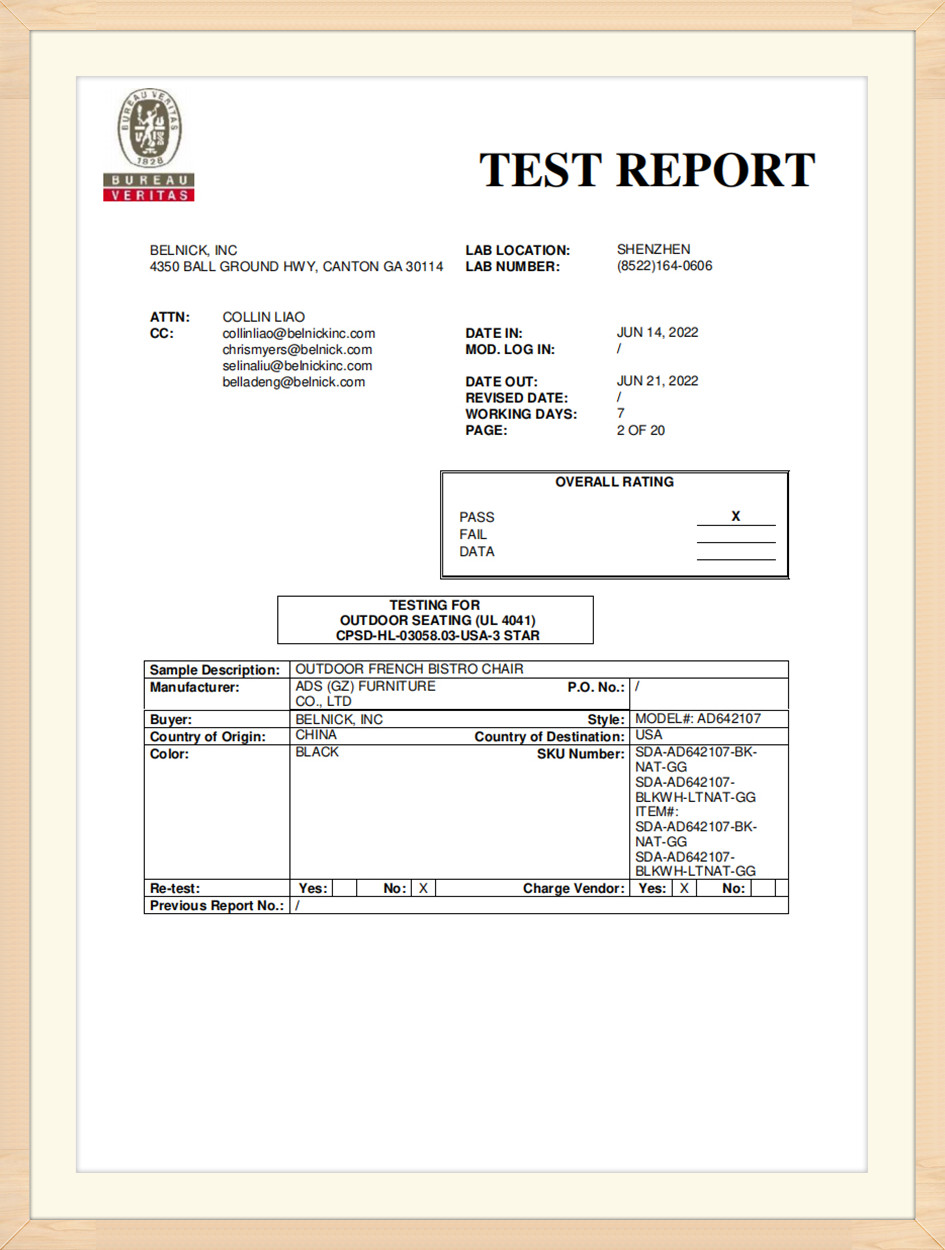
Choosing the correct combination of synthetic materials, structural metal, and ergonomic profiles.
Sourcing outdoor rattan furniture requires deep attention to specifications. For commercial deployment, we configure materials using a targeted structural matrix:
| Material Spec | Mechanical Performance | Optimal Commercial Application |
|---|---|---|
| High-Density PE Rattan (HDPE) | Tested for 3,000+ hours UV exposure; non-fading, retains tensile strength. | Exposed beachfront lounges, pool side cafes, outdoor public areas. |
| Standard Polyvinyl (PVC) | Prone to UV cracking and temperature warping within 12–24 months. | Residential only; not recommended for high-volume commercial spaces. |
| 6063-T5 Structural Aluminum | Treated with wall thicknesses of 1.5mm–2.0mm. Completely corrosion-resistant. | Heavy-traffic cafe dining chairs, modular hotel terrace sofas. |
| Olefin & Acrylic Fabrics | Waterproof, quick-dry inner foams with mold and mildew resistance. | High-traffic dining setups, lounges, and swing chairs. |
1. Coastal Luxury Resorts: Sourcing managers must specify marine-grade powder-coated aluminum underframes and 100% round-profile HDPE wicker. Flat wicker can catch high-velocity coastal winds, while inferior iron underframes rust internally and stain premium stone tiling. Venice Hanging Chairs create iconic, photo-ready spaces that increase social media engagement for resorts.
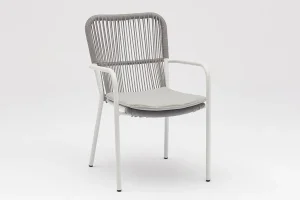
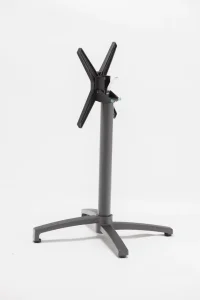
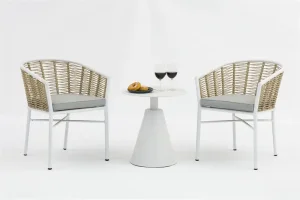
2. Urban Gastronomy & High-Density Cafes: Weight and stackability are vital operational metrics. Bistro chairs must be light enough for staff to store daily, yet robust enough to support dynamic weight variations up to 150 kg (meeting EN 581-2 standards). Here, stackable rattan bistro chairs paired with cast-aluminum pedestal table bases offer space optimization and long-term durability.
3. Corporate Atriums & Wellness Centers: Transition zones demand clean, Scandinavian-inspired design profiles. Low-maintenance setups like the Narvik Sofa provide ergonomic comfort and modern aesthetics without requiring intense maintenance, outperforming natural fibers in heavy-traffic indoor-outdoor spaces.
Our success is not only due to our strict control over product quality but also because of our emphasis on valuing and developing our employees. We believe that only with a passionate and creative team can we maintain a competitive edge in the market. Therefore, we provide continuous training and development opportunities, encouraging our employees to learn and grow constantly.
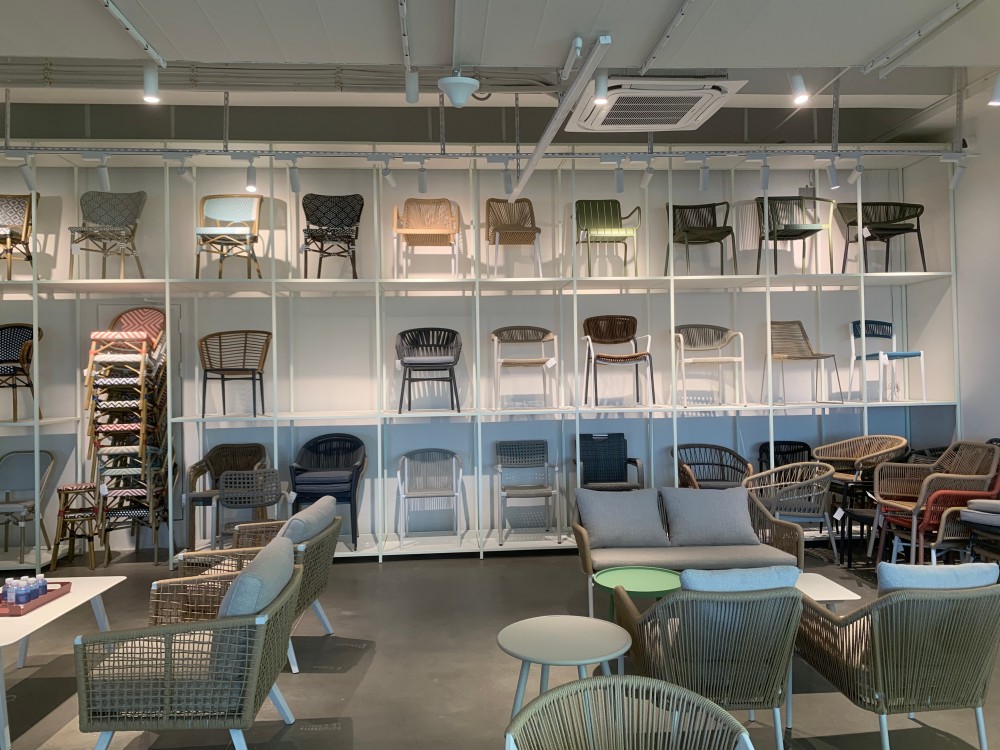
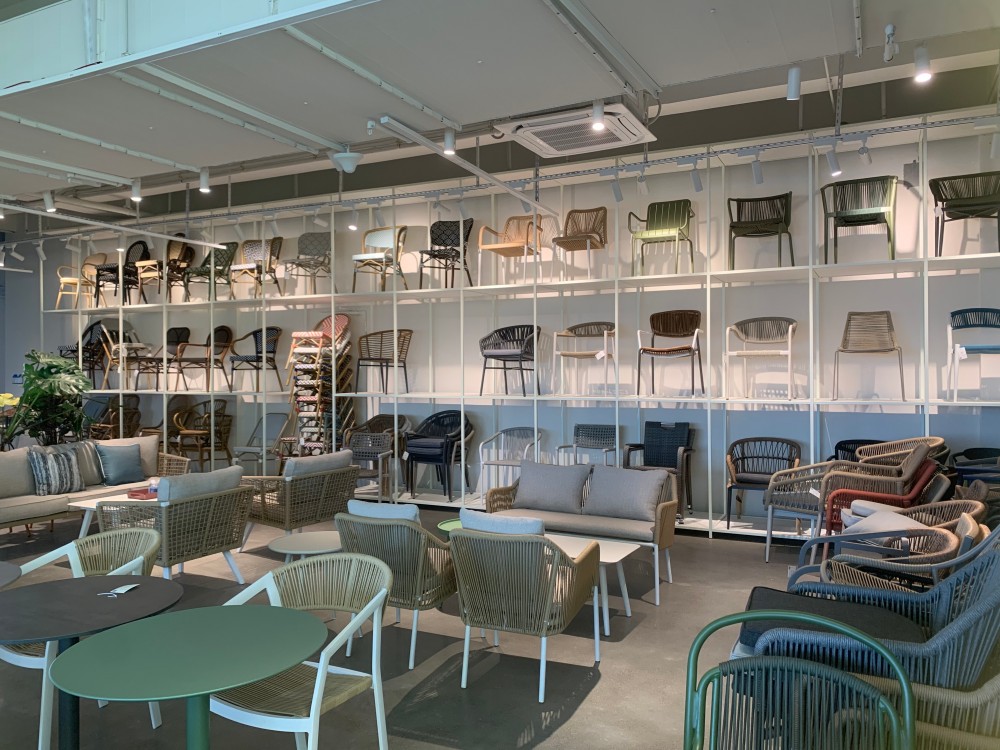
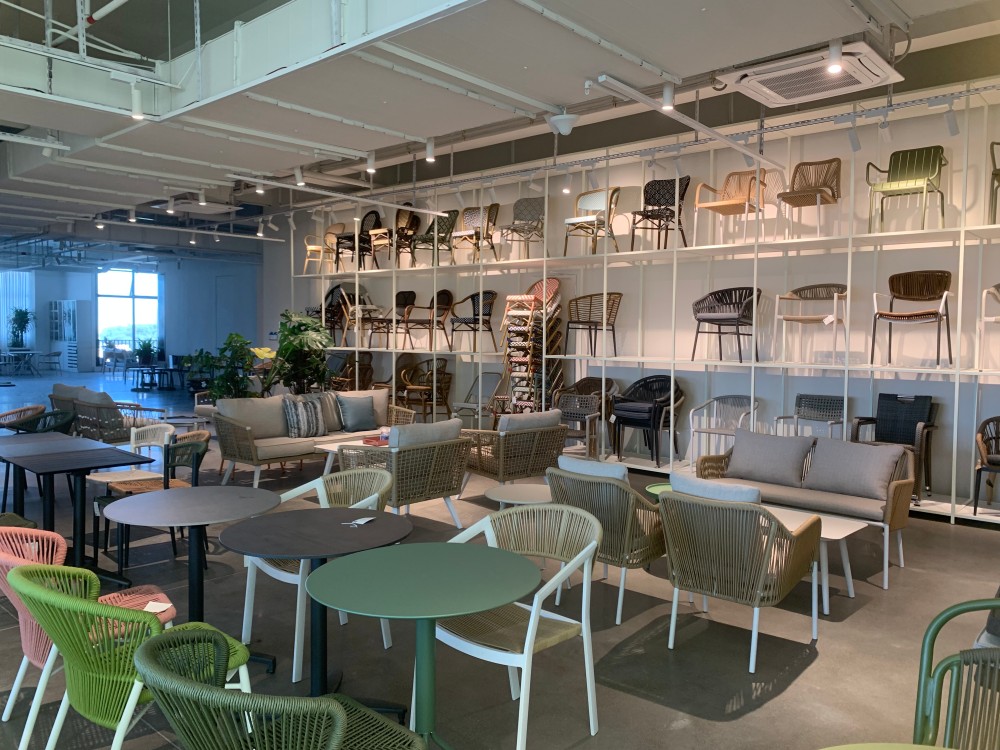
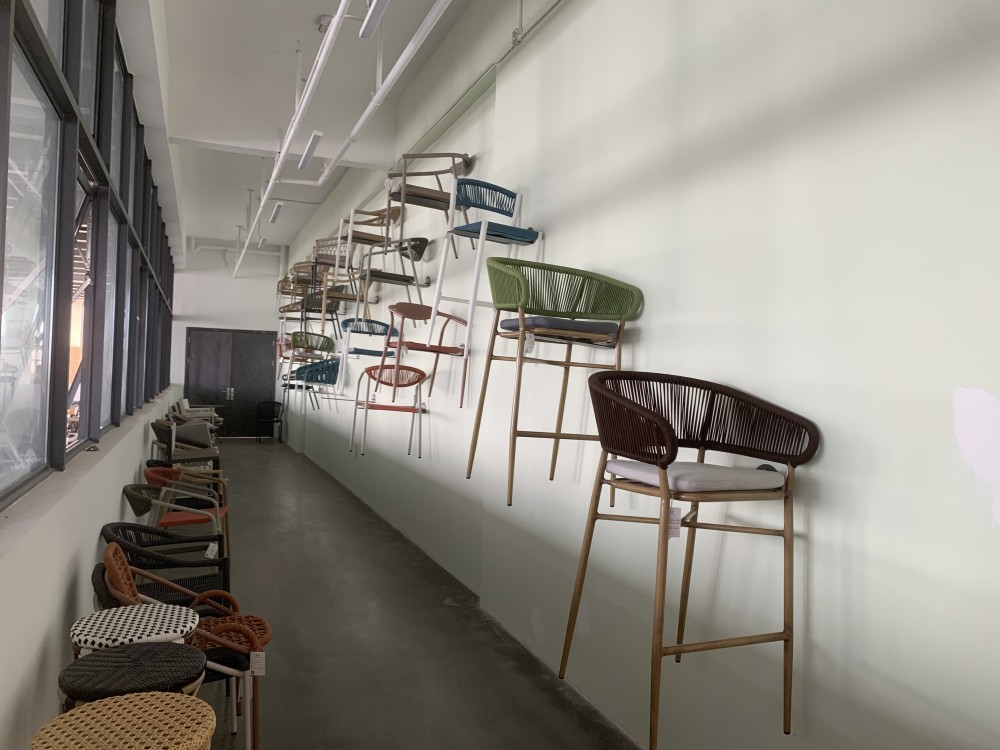
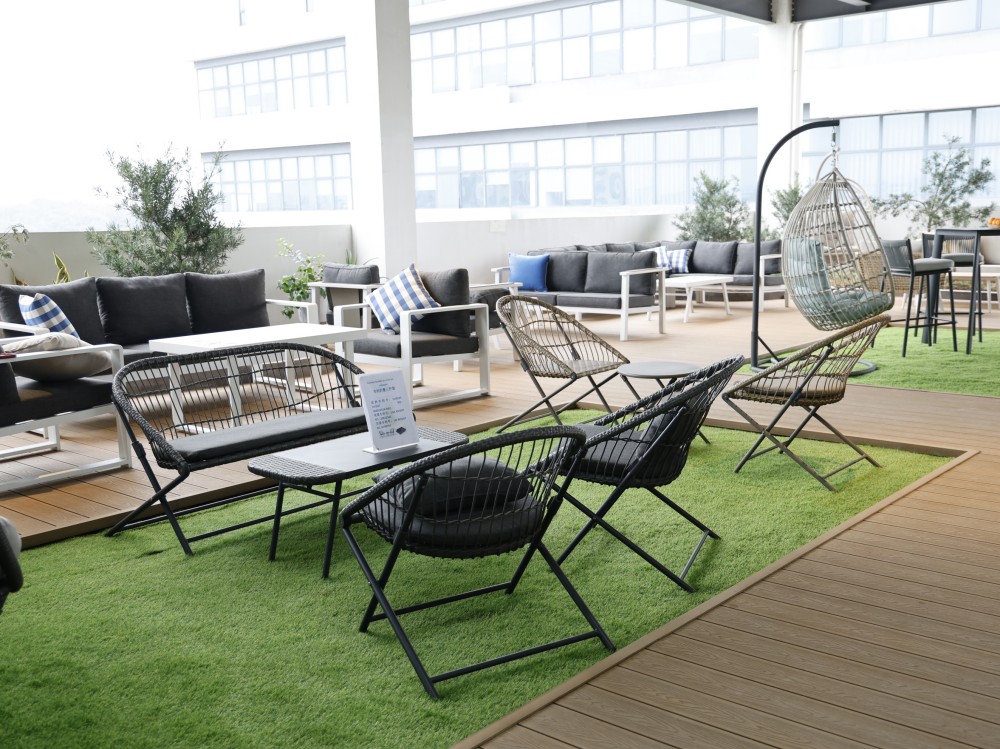
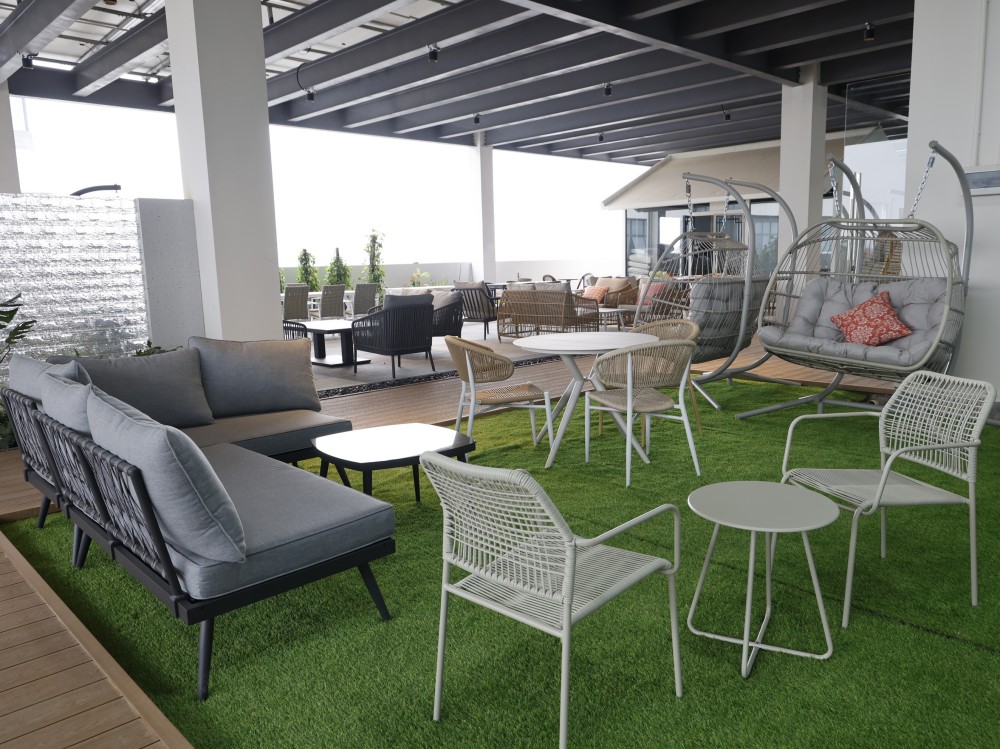
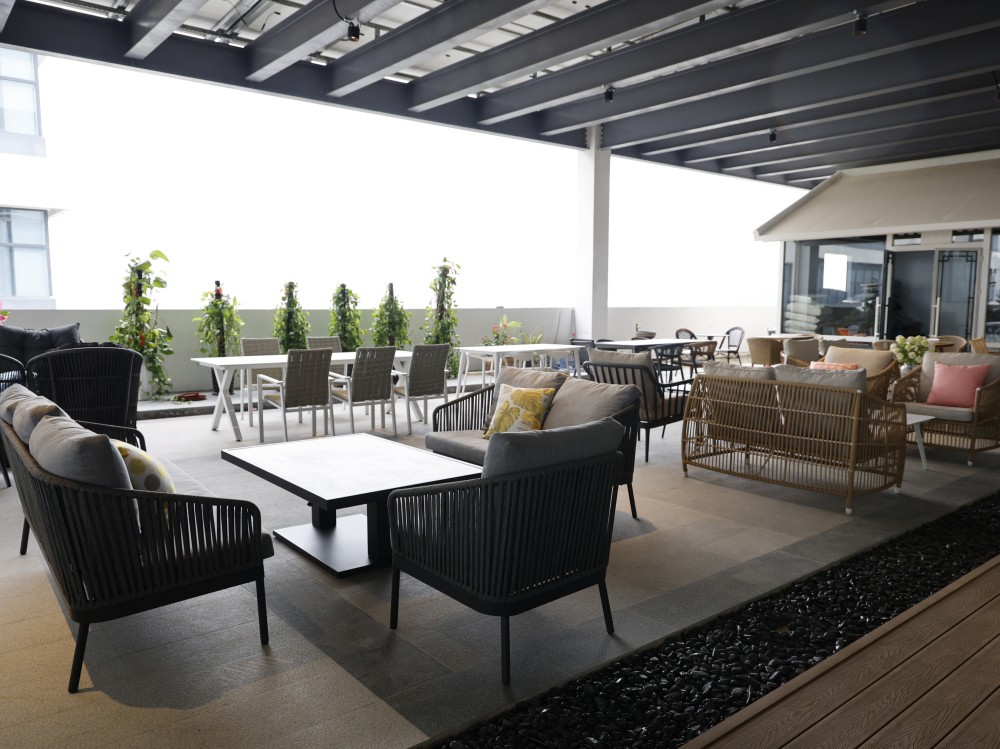
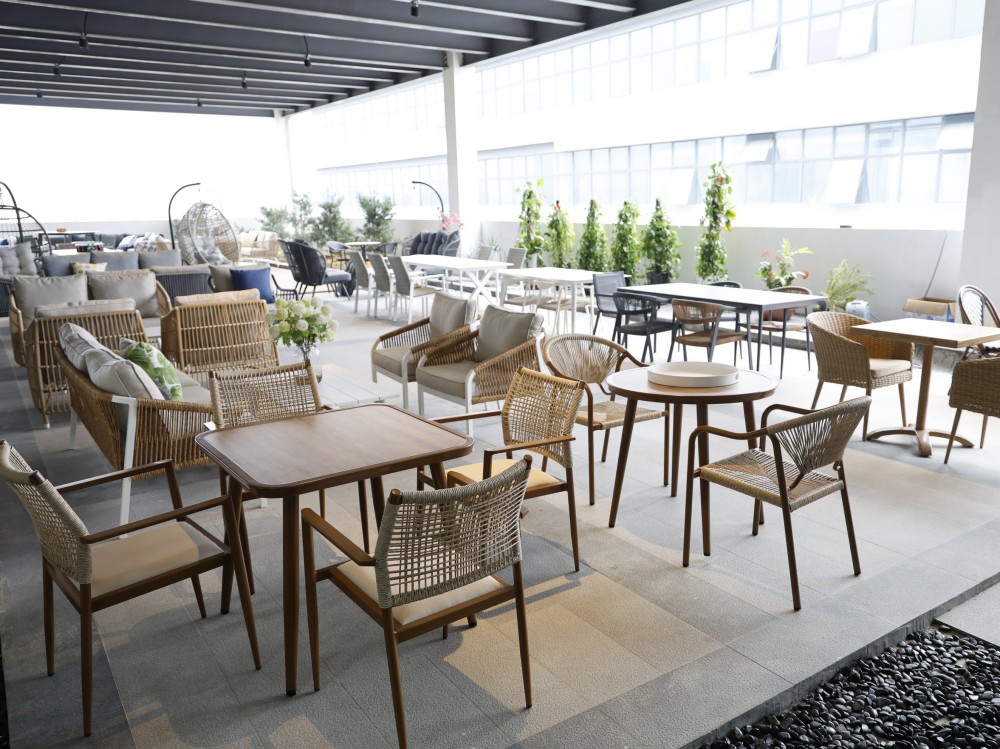
Partnering with leading architectural firms, global hospitality buyers, and wholesale distributors in over 40 countries.
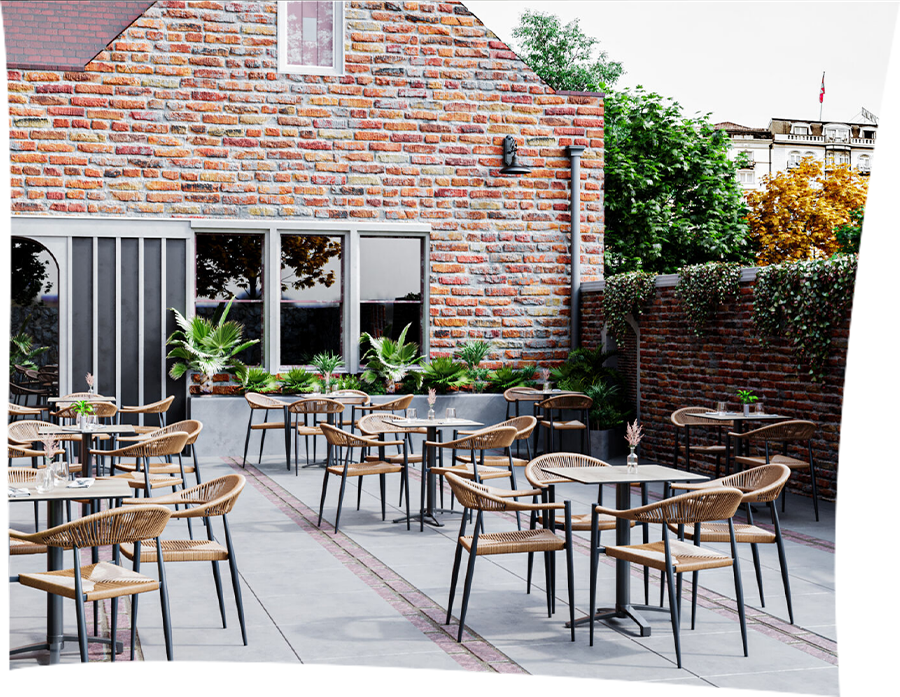
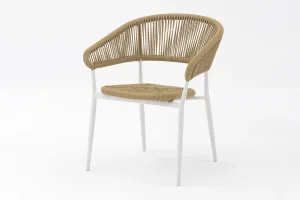
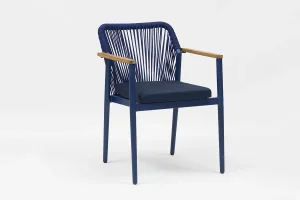
Experience comfort and elegance with the Almelo Chair – where style meets sophistication.
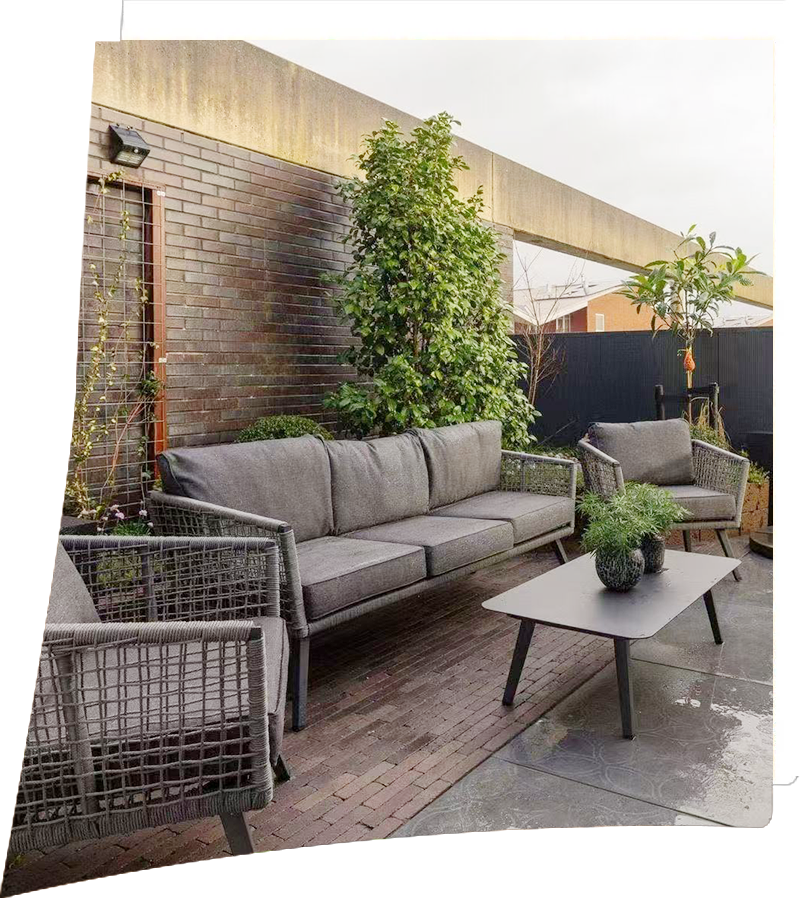
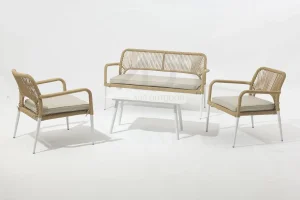
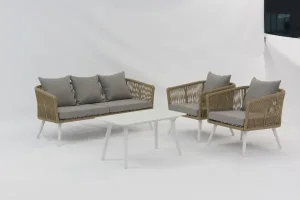
Embrace comfort and Scandinavian design with the Narvik sofa – where relaxation meets sophistication.
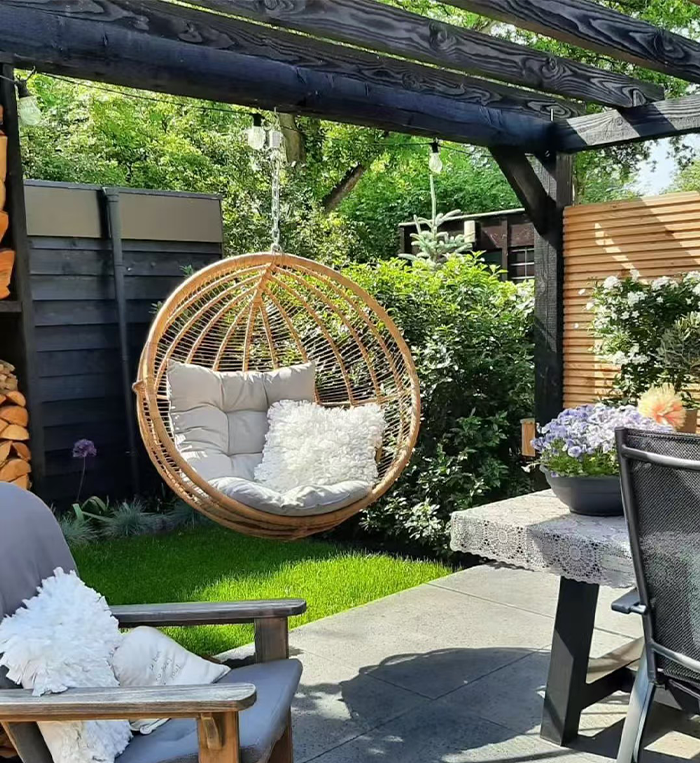
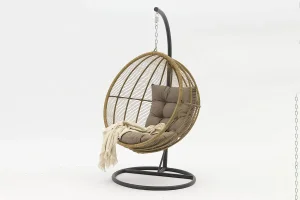
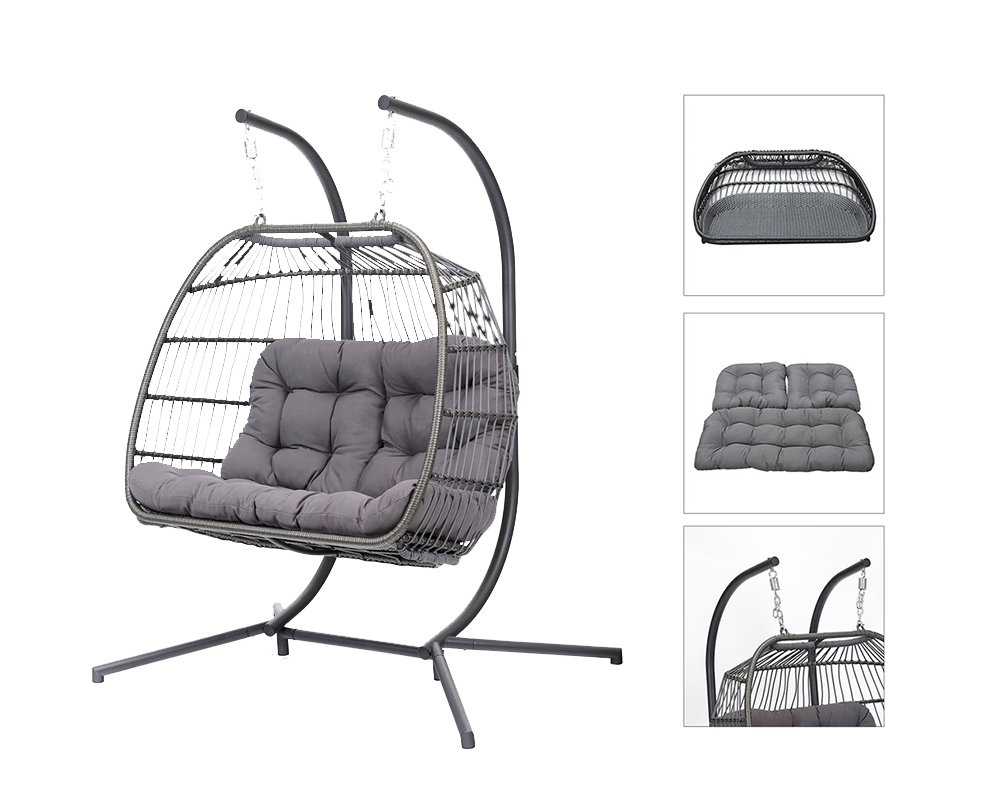
Enjoy a relaxing time in the garden, our relaxing hanging baskets take you into the cozy world of swinging!











Key answers for global project managers and purchasing directors.
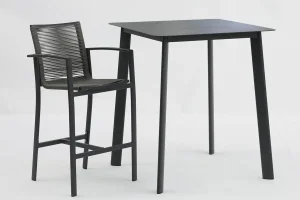
View our secondary range of modular dining tables, bar counters, and aluminum-rattan hybrid pieces optimized for shipping and logistics.
 ADS Outdoor